About Kalamata
About Kalamata
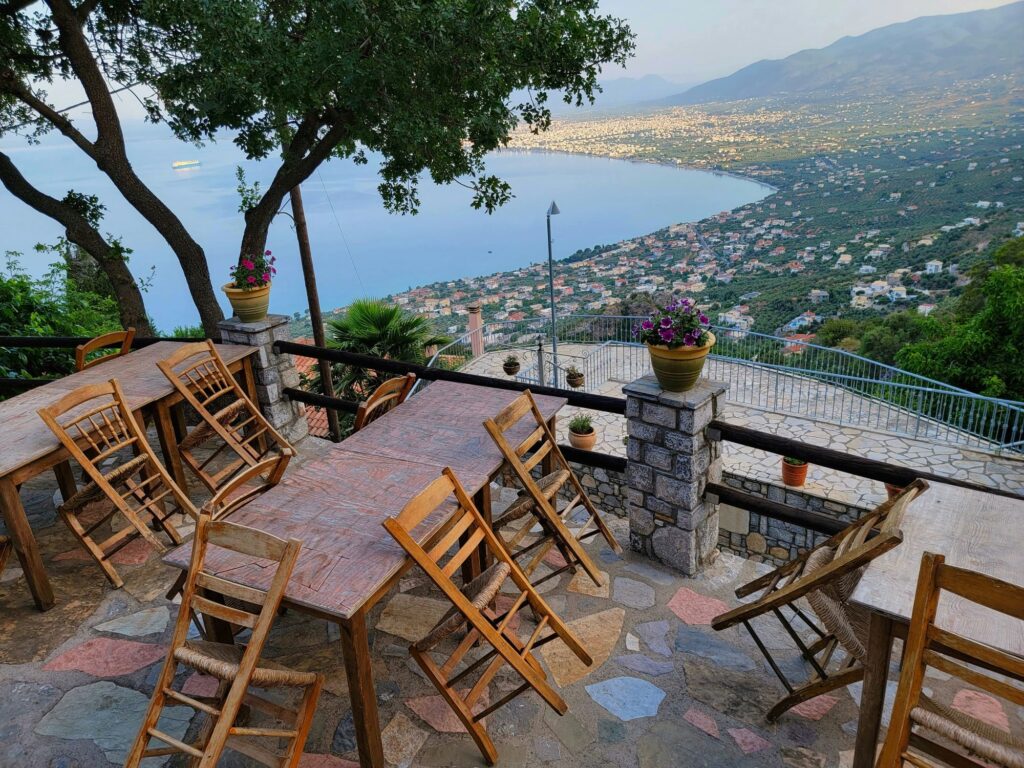
Nestled in the southern Peloponnese, on the shores of the Messinian Gulf, Kalamata is the second largest city in the Peloponnese and the capital of Messinia.
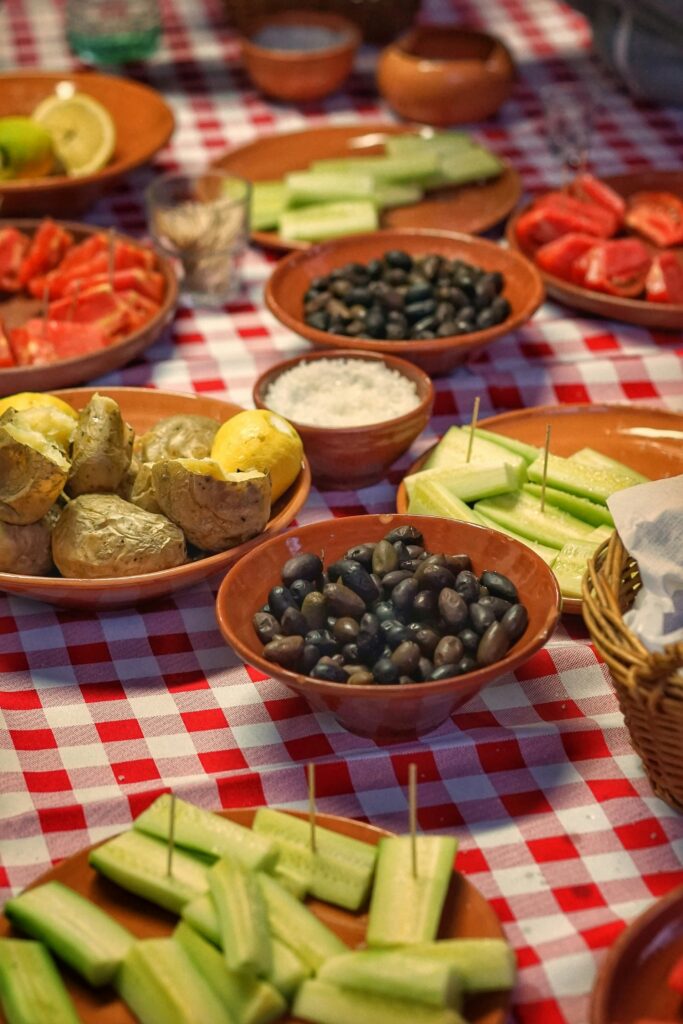
Famous worldwide for its distinctive black olives, Kalamata is a vibrant city that combines rich history, stunning nature, and warm Mediterranean hospitality.
History and Geography
Kalamata lies at the foot of the Taygetos mountain range, one of the most dramatic landscapes in Greece, with peaks exceeding 2,400 meters.
The city sits at the northern end of a long sandy bay stretching for kilometers along the Messinian Gulf.
The region has been inhabited since ancient times and was known in antiquity as Pharai. During the Byzantine period, the city gained its current name, derived from the phrase “Kala Mata” meaning “good eyes,” linked to a miraculous icon of the Virgin Mary.
The city played a significant role in the Greek War of Independence, with Kalamata being one of the first cities liberated from Ottoman rule in 1821.
Things to Do
Kalamata offers visitors a rich blend of culture, nature, and gastronomy. The Medieval Castle of Kalamata dominates the old town and offers panoramic views over the city and the gulf.
The Archaeological Museum houses important finds from the Messinian region. The famous Kalamata International Dance Festival attracts performers and audiences from around the world every summer.
The long sandy beach of Kalamata is one of the best-organized beaches in Greece and has been awarded the Blue Flag. Food lovers must try the renowned Kalamata olives and olive oil, among the finest in the world, as well as local specialties in the many tavernas along the waterfront.