Excursion to ancient Messene
Ancient Ithomi and the Birth of Messenia
Ancient Ithomi, more commonly known as ancient Messene located roughly 260 km southwest of Patras, is a historic mountaintop fortress that served as the legendary acropolis of Ancient Messene. Towering 805 meters above the valley, this impregnable stronghold was the focal point of fierce independence struggles against Sparta.
In Greek mythology, Mount Ithomi was sacred to Zeus Ithomatas, whose sanctuary stood at the very summit. According to tradition, the nymph Ithome and the nymph Neda bathed the infant Zeus in the spring that flows from the mountain, lending the peak its divine significance long before the first city walls were raised. The legendary king Polycaon, son of Lelex, is credited in myth with founding the earliest settlement at Ithomi, establishing a royal line that would give the region its enduring identity.
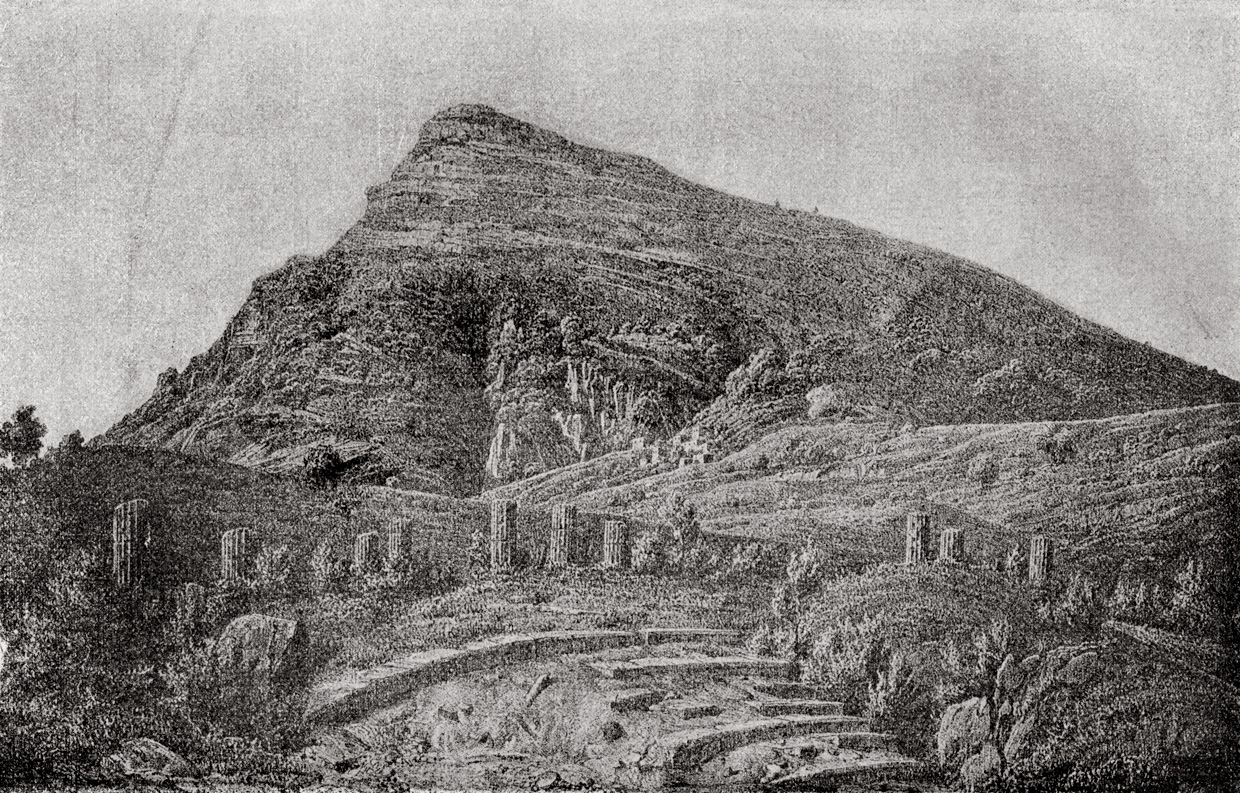
Historically, Ithomi was already a fortified settlement during the Mycenaean period, and its name appears in ancient sources as one of the seven cities promised by Agamemnon to Achilles in the Iliad, testifying to the region’s antiquity and importance in the Bronze Age world.
Four Centuries of Resistance
The mountain became the symbol of Messenian resistance to Spartan domination. After the First Messenian War (circa 743–724 BC), Sparta subjugated Messenia and reduced its population to helots, a form of state slavery. During the Second Messenian War (circa 685–668 BC), the Messenians under the legendary hero Aristomenes retreated to the fortress of Ithomi and held out for years against the Spartan siege, becoming one of antiquity’s most celebrated examples of defiant endurance. The mountain fell, but the Messenians never accepted subjugation as permanent.
The decisive turning point came in 371 BC, when the Theban general Epaminondas shattered Spartan military supremacy at the Battle of Leuctra. Two years later, in 369 BC, Epaminondas founded the new city of Messene on the southern slopes of Mount Ithomi, encircling both the mountain and the fertile valley with one of the most formidable defensive systems of the ancient world. The Messenian exiles, scattered across Sicily, North Africa, and the broader Greek world for three centuries, were invited to return and reclaim their homeland.
The Archaeological Site Today
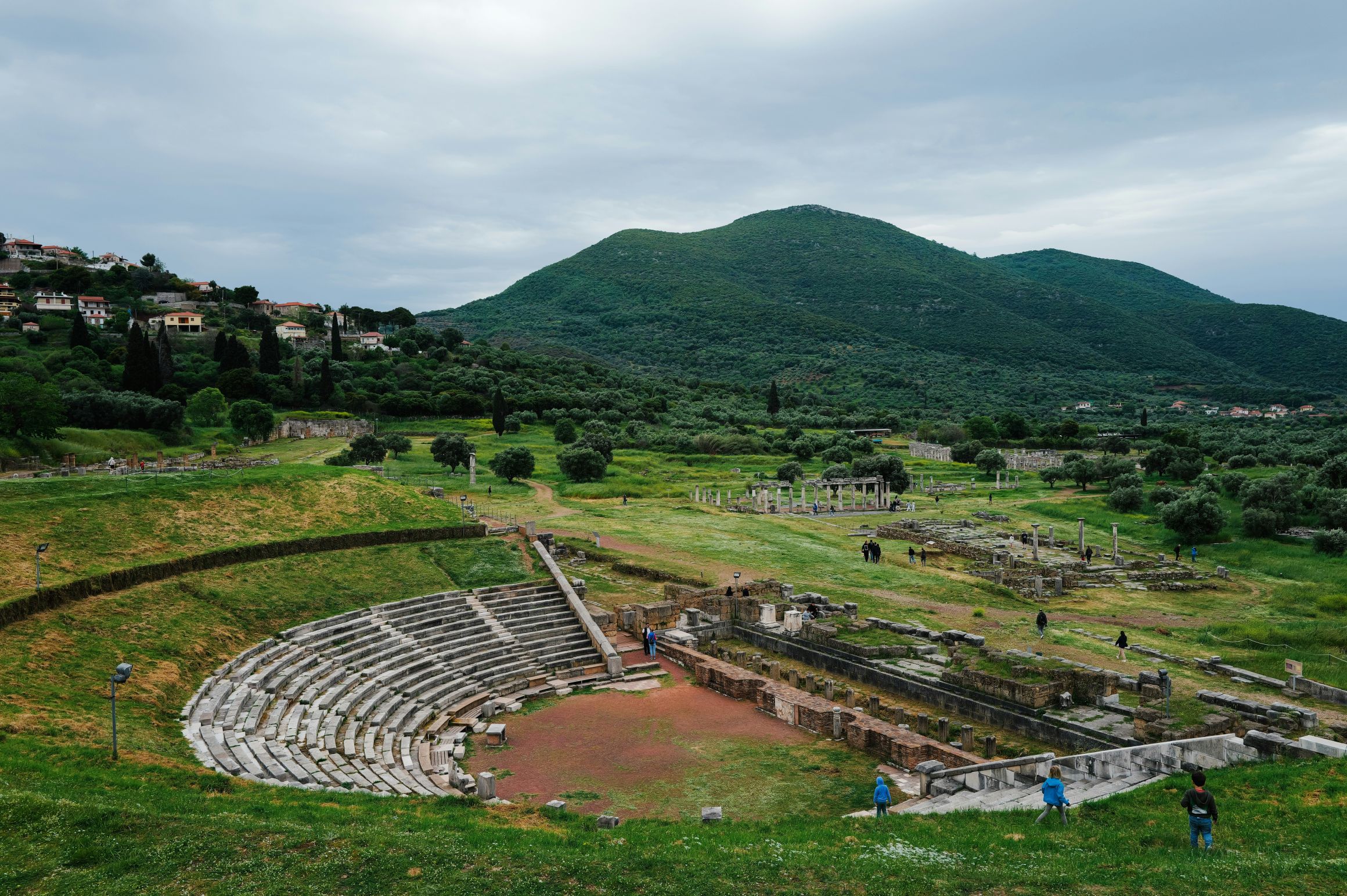
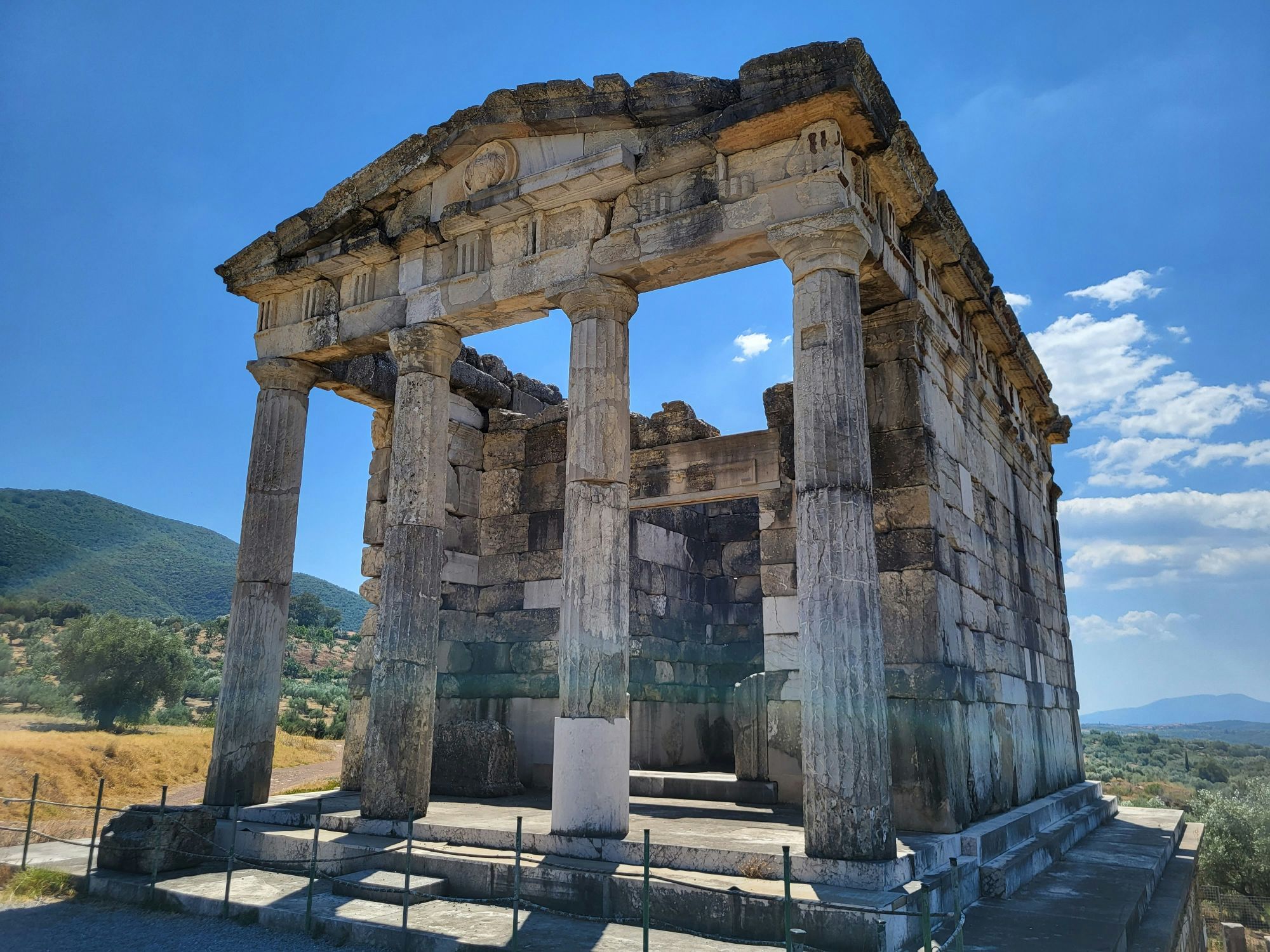
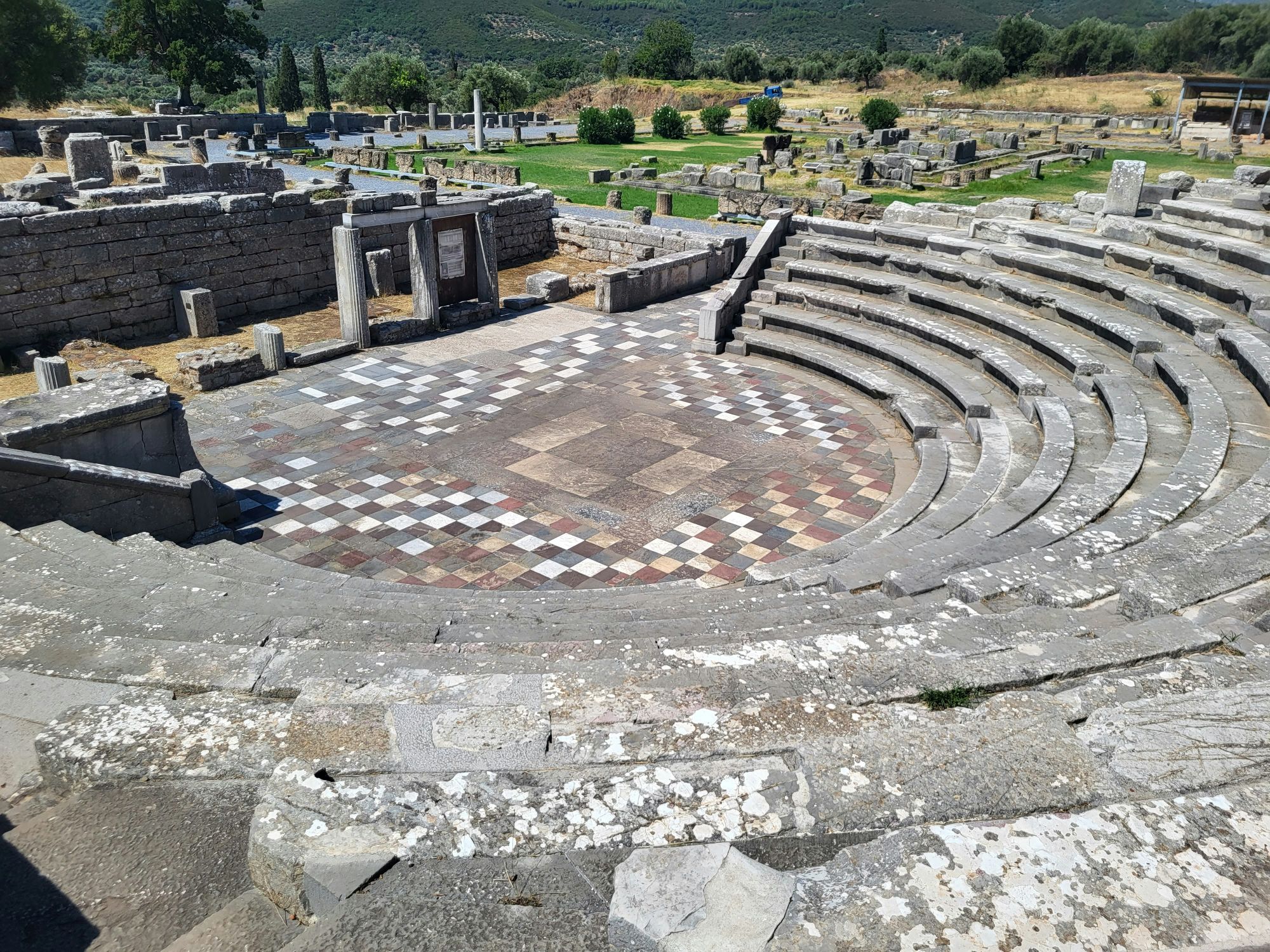
Today, Ancient Ithomi forms part of the sprawling Ancient Messene Archaeological Site (Ministry of Culture). The broader site features remarkably preserved ruins nestled in a lush valley at the mountain’s southern foothills.
The Fortifications: The ancient city was defended by a 9-kilometer-long circuit wall built in the 4th century BC, complete with monumental gateways including the Arcadian Gate.
Sanctuary of Asclepius: A large open-air religious and civic center that once housed dozens of statues and a theater-like Ekklesiasterion.
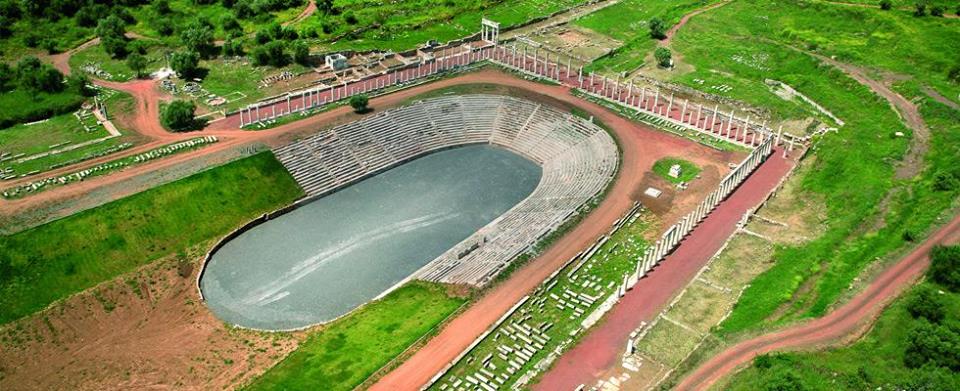
The Stadium and Theater: A beautifully preserved 3rd-century BC stadium and a massive ancient theater used for political assemblies.
The Peak: At the very top of Mount Ithomi sits the historic Monastery of Panagia Voulkanou, offering panoramic views across Messenia.
The excursion to Ancient Ithomi and the Archaeological Site of Ancient Messene is included in the conference programme at a participation fee of €20 per person.
Registration for the excursion can be completed during the conference registration process.